





There is a question that Canadian families never ask at college admissions events.
They ask about acceptance rates. They ask about campus life. They ask about scholarships and financial aid and housing waitlists.
But the question they never ask, the one that determines whether this investment builds their family's wealth or quietly drains it, is this:
How are we structuring the way we pay for this?
Not how much. How.
According to the Open Doors 2025 Report, 29,903 Canadian students are enrolled at US institutions right now, at schools like Harvard, NYU, Columbia, the University of Michigan, and Stanford. Canada is the fourth-largest source of international students in the United States. The families behind those numbers are business owners, professionals, executives, and entrepreneurs.
Most of them are paying for education in the most expensive way possible. Here is what they are missing.
The cost started years before anyone applied. Private school. SAT prep. Elite athletics. Campus visits. Admissions consulting. By the time the acceptance letter arrives, many families have already invested six figures. Then add four years of US tuition, housing, and living costs in US dollars. Based on published 2024/25 tuition rates and approximate exchange rates, a single degree can cost a Canadian family $480,000 to $620,000 CAD. Over the full arc from private school through US graduation, based on the author's analysis of total education spending, many families land between $1 million and $2.5 million per child. The number is real. Most have never summed it.
How you move money from your business to your family changes everything. The Open Doors 2025 Report shows that 51.5% of international students in the US are funded by personal and family sources. For incorporated Canadian families, that usually means drawing salary or dividends, paying personal tax at rates that can exceed 53% at the combined federal and provincial top bracket in Ontario, and writing cheques from what survives. The way you architect how money moves, the timing, the vehicles, the sequence, can be structured far more efficiently. The difference over a decade can be significant. Estimates vary based on income, province, and structure. A qualified professional should be consulted for your specific situation.
There is a tax credit worth over $57,000 in cumulative federal credits that most families never claim. Canadian students at US universities can claim tuition under section 118.5 of the Income Tax Act. The federal credit rate is 15% of eligible tuition. At a school charging approximately $70,000 USD per year (roughly $96,000 CAD based on approximate exchange rates), the federal credit alone is approximately $14,400 per year. Over four years: over $57,000 in cumulative federal credits, with additional provincial credits on top. Credits carry forward indefinitely. US schools do not issue the TL11A form automatically. You have to request it. Most families never do. Most accountants never raise it.
The same dollars that fund a degree can keep working after graduation. Most families fund education as a straight line: save, withdraw, spend, zero. Three children means three cycles of consuming capital until nothing remains. But the families who architect their cash flows differently position the same dollars to do more than one job: fund the degree and build a tax-advantaged asset that keeps compounding. Their child walks away with more than a diploma. They walk away with a foundation for a first home, a business, or whatever life demands, without coming back to their parents. Start earlier, stack the right vehicles, and the difference is not just savings. It is generational.
Nobody is connecting any of this for you. Your accountant handles tax. Your advisor handles investments. Your lawyer handles your estate. Your insurance broker handles protection. Each one sees their piece. Nobody sees all seven. The gap between those silos is where families lose the most.
That gap is why I wrote 7 Structures of Wealth: A Framework for Protecting Assets, Preserving Capital, and Passing It Forward.
My parents immigrated to Canada as refugees. They worked three jobs at wages most people would not accept. They saved everything, followed every rule, and when cancer came for both of them, the financial system they trusted became a maze of locked doors and disappearing wealth. Families do not lose their wealth in one dramatic moment. They lose it in pieces. That story, and the framework I built from it, is the foundation of this book.
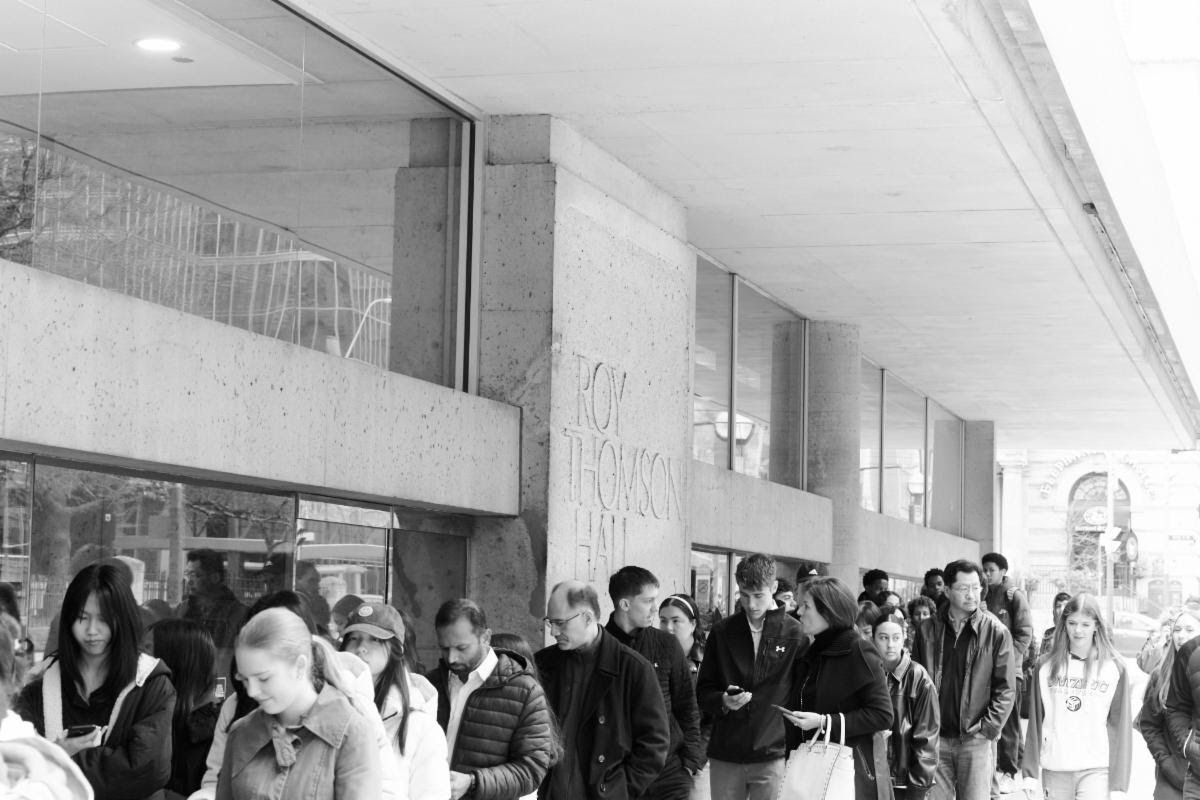
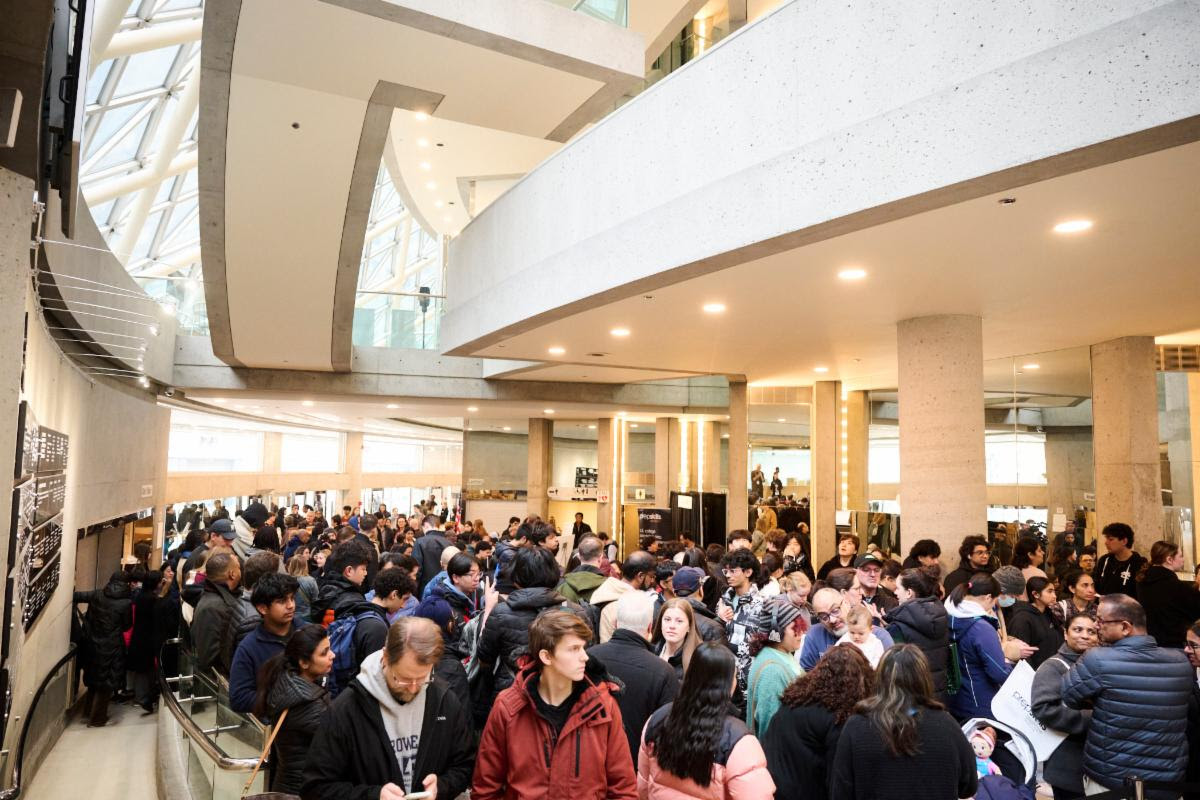
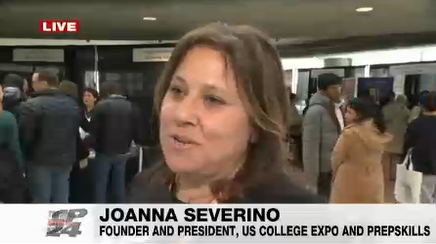
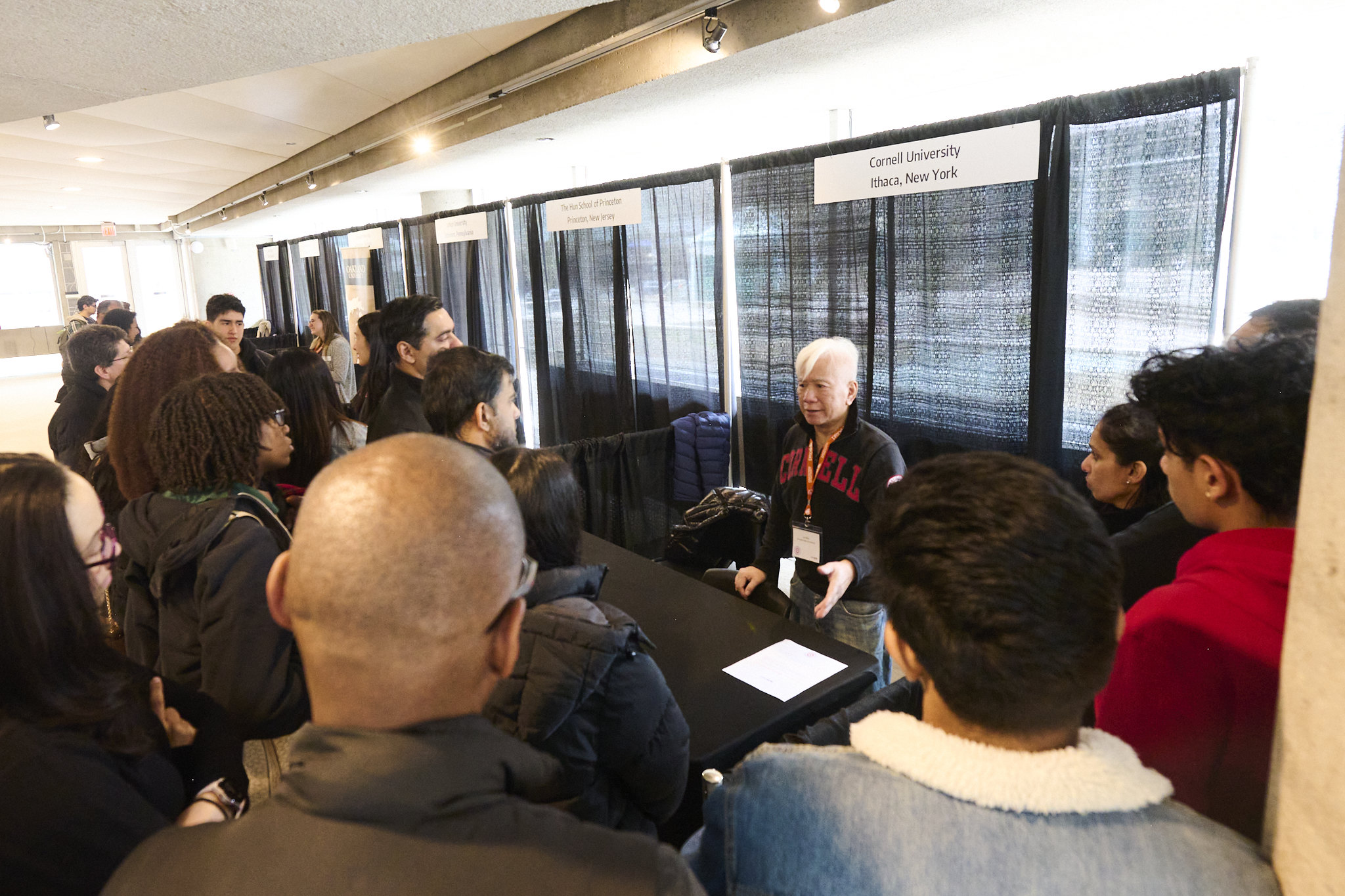
I will be at the US College Expo on April 11 at Roy Thomson Hall in Toronto. Come find me. The conversation most families need is not about how to get in. It is about what happens financially after the acceptance letter arrives, and how to make sure that moment builds your family's wealth instead of draining it.
Register for the US College Expo: www.uscollegeexpo.com/register
Get your copy of 7 Structures of Wealth: go.7structuresofwealth.com/prepskills
Event Details:
Toronto – Saturday, April 12, 2025,
10:00 AM – 2:00 PM
Venue: Roy Thomson Hall, Free Admission
Registration: www.uscollegeexpo.com/register
The U.S. College Expo 2025 offers a unique opportunity for students and families to gain direct access to U.S. college representatives, admissions professionals, and experts who can demystify the application process.



